The CSL Blog Real Estate
Top California Real Estate Contract Mistakes And How To Avoid Them
Common California real estate contract mistakes, and how buyers, sellers, and owners can protect themselves before signing.
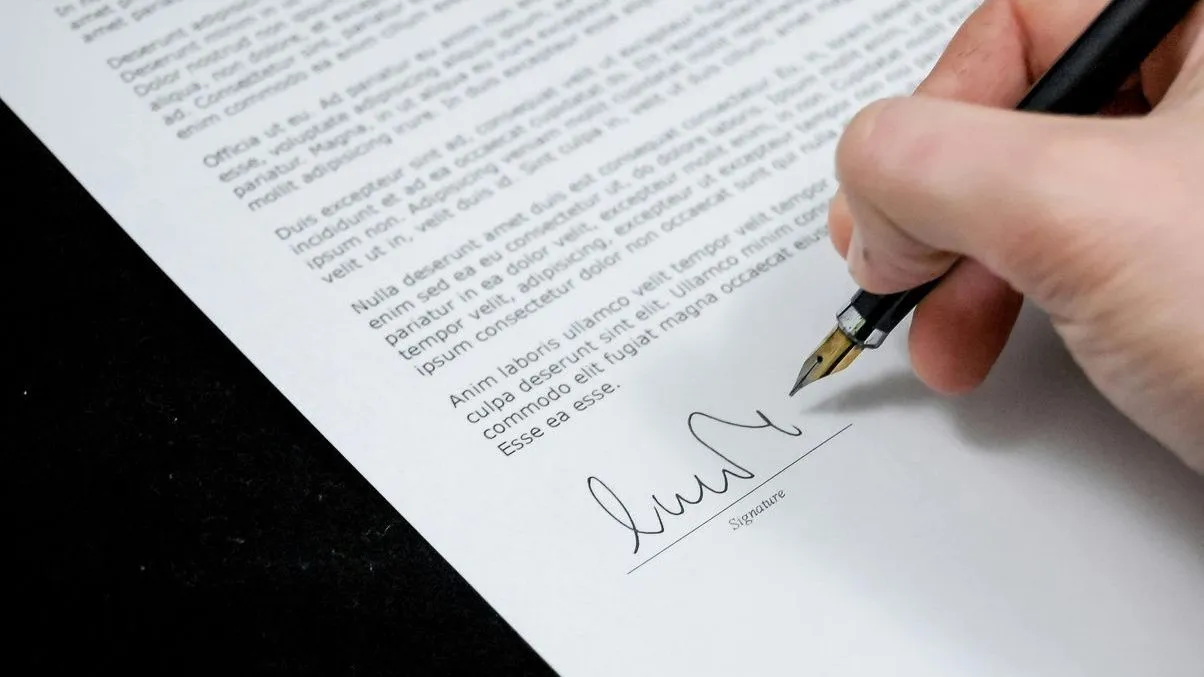
Purchasing a home or other property is among the most significant purchases a person can make. Real estate transactions are also complex and time-consuming. The following are real estate contract mistakes to avoid for a smooth transaction.
Failing to Disclose Known Defects
Sellers are legally required to disclose any known material defects with the property. Disclosure is not optional. A material defect is an issue with the property that could significantly impact the property’s value or pose a danger to people. The advice is to err on the side of disclosure. It’s better than having the contract canceled or, worse, being sued later.
Example: John is selling his home. John is aware that the basement of his house has a long history of flooding when it rains. John sells the home to Sally without disclosing the basement’s history of flooding. Because the basement flooding is a material defect, Sally could recover damages from John for his failure to disclose.
Incorrect Use of Names
It may seem obvious that using the correct name would be necessary on a contract as significant as purchasing a home. People often neglect to use their full legal name and instead use their shorthand name. They may forget the middle initial or suffixes like Jr. or Sr., or they may forget to use the correct name of their business entity. Don’t let small mistakes like these lead to delays or future complications.
Example: Nicholas M. Jackson purchased a home but signed the contract as “Nick Jackson,” the name he usually goes by. The omission of his full legal name and middle initial led to significant confusion and delays in his home-buying process.
Ambiguous Payment Terms
The enemy of all contracts is ambiguity, and real estate contracts are no exception. The obvious terms one would expect to be unambiguous include earnest money deposits, performance dates, and closing costs. Most often, those terms are not ambiguous. However, many agreements fail to specify other important terms, such as which fixtures will be included in the property (a gazebo, appliances, etc.), what is considered reasonable repair, what is considered “clean,” or what payment methods are acceptable. The takeaway is to be as clear and precise as possible with all terms in the contract.
Example: Sally signed a contract to purchase a house with “fixtures included.” The contract did not express what a fixture was or what specific items were considered fixtures. Sally was surprised to learn that an outdoor gazebo was not included, despite Sally’s fondness for it. The ambiguity led to disputes and delays in the closing process.
Unwritten Agreements
Although written agreements are recommended for any contract, they are a requirement in real estate contracts. Oral agreements often become a problem during the negotiation stage. One party will verbally agree to something to move the deal forward. The verbal agreement is not in the contract after the contract is signed and, therefore, would not be enforceable. If you want something, include it in the written contract.
Example: Bob, the buyer, negotiates with Sam, the seller, to fix a leaky roof before closing. Sam wants to avoid conflict and verbally agrees to the repair. Sam did not repair the roof, even after closing. Because the agreement was not in writing, Bob cannot enforce it.
Unclear Contingencies
A nightmare scenario for a buyer is purchasing a home and finding something materially wrong, like termites or structural issues. It is recommended you have an inspection and include specific terms in the contract regarding what happens if a material defect is uncovered. The more precise the contract, the less likely disputes will arise.
Example: Robert, a homebuyer, purchases a home contingent upon a “satisfactory inspection.” The contract fails to define what a “satisfactory inspection” is. When Robert uncovers a termite problem during inspection, the seller disputes Robert’s claim that the inspection was unsatisfactory.
Conclusion
Buying or selling real property can be both exciting and stressful. Avoiding these common mistakes can free you from unnecessary delays and legal predicaments. Consulting with an attorney is recommended to provide legal guidance and avoid legal complications.
This article is general information, not legal advice for your specific situation. Reading it does not create an attorney-client relationship.