
California Probate Administration Attorney
Guidance for executors and administrators through every step of California estate administration, from the first petition to final distribution.
The attorneys on your case
-

Mark C. Smith
Principal Attorney & Founder
Berkeley Law · AmLaw Top 50 Firm · Federal Clerk · Combat Veteran
-

Nicholas Jacobs
Attorney, Estate Planning
Northwestern California Law
-

Seth Steward
Litigation Attorney
GW Law · Harvard Kennedy · Former Prosecutor · Air Force Veteran
-
Veteran-Founded & Led
Founded by Mark C. Smith, U.S. Army combat veteran.
-
Berkeley Law-Trained
Educated at UC Berkeley School of Law.
-
California Statewide
SF · Sacramento · Los Angeles · San Diego.
Probate is the court-supervised process of settling the estate of someone who has passed away: proving the will, paying debts and taxes, and transferring what remains to the people entitled to it. In California, it is governed by the Probate Code and runs through the superior court in the county where the person lived.
We represent executors, administrators, and families through that process, from the first petition to final distribution. When a living trust is involved instead, see trust administration.
Just named executor? Start before you act.
An executor takes on real legal duties the moment they begin acting for the estate. Paying the wrong creditor first, selling property without authority, or distributing early can create personal liability.
Speak with counsel before you file, pay anyone, or distribute estate assets.
When probate is required
Probate is generally required when a person passes away owning assets in their sole name that do not transfer automatically. Property held in a living trust, accounts with valid beneficiary designations, and joint tenancy assets usually avoid it. California also offers simplified procedures for estates under a statutory value threshold.
Probate is usually needed when:
- A person passes away owning assets in their sole name that do not transfer automatically
- There is no living trust holding the property, or assets were left outside the trust
- Accounts or real property have no valid beneficiary designation or joint owner
- The estate exceeds the simplified-procedure value threshold the Legislature sets
The probate process, step by step
- File a petition for probate and provide notice to heirs, beneficiaries, and creditors
- Receive Letters Testamentary or Letters of Administration that authorize the personal representative to act
- Inventory and appraise estate assets, with a court-appointed probate referee valuing non-cash property
- Give notice to creditors and review, allow, or reject claims against the estate
- Pay valid debts, taxes, and administration expenses from estate funds
- Petition for final distribution, account to the court, and transfer assets to the beneficiaries
If the will is challenged or an heir disputes how the estate is handled, the matter can move into contested probate or broader inheritance disputes.
Timeline and statutory fees
A typical California probate takes 12 to 18 months. Statutory compensation for the personal representative and the attorney is set by Probate Code section 10810 as a percentage of the gross estate value:
- 4% of the first $100,000 of the estate
- 3% of the next $100,000
- 2% of the next $800,000
- 1% of the next $9,000,000
- 0.5% of the next $15,000,000
- A reasonable amount set by the court for estates above $25,000,000
The court can approve additional fees for extraordinary services, such as selling real property or handling litigation.
How we help executors and administrators
We can carry the full administration or handle the parts that need a lawyer, while you stay informed and in control. Our work includes:
- Preparing and filing the petition for probate
- Qualifying the personal representative and obtaining Letters
- Inventory, appraisal, and coordination with the probate referee
- Notice to creditors and review of claims against the estate
- Paying debts, taxes, and expenses in the correct order
- Petitioning for final distribution and accounting to the court
- Handling real property sales and other extraordinary matters
Why Corcoran Smith Law Corp.
Probate runs on petitions, notices, deadlines, and accountings. The executor carries the responsibility, and a misstep can fall on them personally. Our job is to keep the administration orderly and defensible.
Corcoran Smith Law is a California firm with offices in Sacramento and San Francisco. We are veteran owned. The partner works the matter, and clients are not handed off to a junior associate after the first call.
Because we also handle contested probate and estate litigation, we administer estates with an eye toward what later draws a challenge, and we are ready if a dispute does arise.
Free download
Know Your Rights as a California Beneficiary
When a trustee goes quiet, an accounting never comes, or a late amendment changes everything, the law still gives you specific rights and deadlines. Our plain-English guide explains what you are owed, the questions to ask, and the steps to take before you sign or accept anything.

Frequently asked
Probate questions, answered
-
Is probate always required in California?
Not always. Assets held in a living trust, accounts with valid beneficiary designations, and property held in joint tenancy generally pass outside probate. California also provides simplified procedures for smaller estates that fall under a statutory value threshold the Legislature adjusts periodically. Estates above that threshold with assets in the decedent’s sole name usually require a formal probate.
-
How long does California probate take?
A straightforward probate commonly takes 12 to 18 months from the petition to final distribution. Contested matters, creditor disputes, real property sales, or tax issues can extend that timeline.
-
How much does probate cost?
California sets statutory fees for the personal representative and the attorney as a percentage of the gross estate under Probate Code sections 10800 and 10810. The percentages are fixed by statute, and extraordinary services can warrant additional court-approved fees.
-
Can an executor be removed?
Yes. An interested person can petition the court to remove a personal representative for misconduct, conflict of interest, mismanagement, or failure to perform required duties. If a dispute develops, see our work in contested probate and trust and estate litigation.
Client reviews
What our clients say
-
Attorney Jacobs was diligent, patient, knowledgeable and detailed in assisting me. Thank you Nick for your help with my legal matters. I highly recommend Nick Jacobs to anyone seeking legal assistance.
Crocks Supreme October 2024 · Google
-
Had a terrific experience with Nic! Very knowledgeable, professional and personable. Even though he was not able to take our case, due to a heavy work load, he spent time with us and referred us to another attorney who is doing a great job. Can't say enough.
Tom Tickenoff December 2025 · Google
-
Mark and Nicholas have been extremely professional, knowledgeable, and helpful throughout our legal matters. Mark assisted us with business related matters, while Nicholas guided us through estate planning and setting up our trust. Both took the time to explain everything clearly and led us in the right direction every step of the way. Their expertise, responsiveness, and attention to detail gave us confidence throughout the process. We highly recommend Mark and Nicholas to anyone seeking trustworthy and experienced legal counsel.
Elegant Auto Sales June 2026 · Google
-
Attorney Nick was Great!! Five Star Excellence in his expert counsel composing my custom living trust. Nick was such a pleasure to work with during this difficult and confusing process. He advised me of all the important considerations and processes best suited for my custom individual planning. All documents meticulously organized for clients’ easy reference and understanding. Keeping me informed every step of the way; always readily responsive for call back/email to questions. I highly recommend him to all living trust clients and/or other legal matters!! Thank you so much Nick
Julie Jacobs June 2024 · Google
-
Honestly, I didn't know much about trusts going into this. The whole thing felt overwhelming and a little intimidating. But Corcoran Smith Law made the entire process so much easier than I expected. They sat down with me, actually listened to what I was trying to accomplish, and walked me through everything in plain English. No confusing legal jargon, no rushing me out the door. By the end I finally felt like I understood what a trust could do for me and my family, and I left with a solid plan in place. What really blew me away? They handled everything right from the comfort of my own home. I never had to drive to an office, find parking, or sit in a waiting room. They even arranged for a notary to come out to the house, making the entire process seamless from start to finish. It honestly could not have been more convenient. The whole team was friendly, down to earth, and genuinely seemed to care about getting it right. They were easy to reach whenever I had questions, and nothing ever felt like too much to ask. If you've been putting off setting up a trust because it seems like a hassle, don't wait. Call this team! They handle everything, and the peace of mind on the other side is 100% worth it. Highly, highly recommend!
Lori Griffin May 2026 · Google
-
ThankYou! Nick Jacobs for giving a priceless gift after 22 years. You are an amazing man and attorney I would recommend you to anyone. You showed that their are still Amazing people in this world I appreciate you
Sage Goddess August 2025 · Google
Across our practice
Related California legal services
-

Contested Probate
Will contests on grounds of capacity, undue influence, fraud, or improper execution.
-

Trust Administration
Trustee duties, trust funding, beneficiary notifications, accountings, and distributions, handled end to end.
-

Will Drafting
Drafting and updating California wills, including pour-over wills that work alongside a living trust.
-
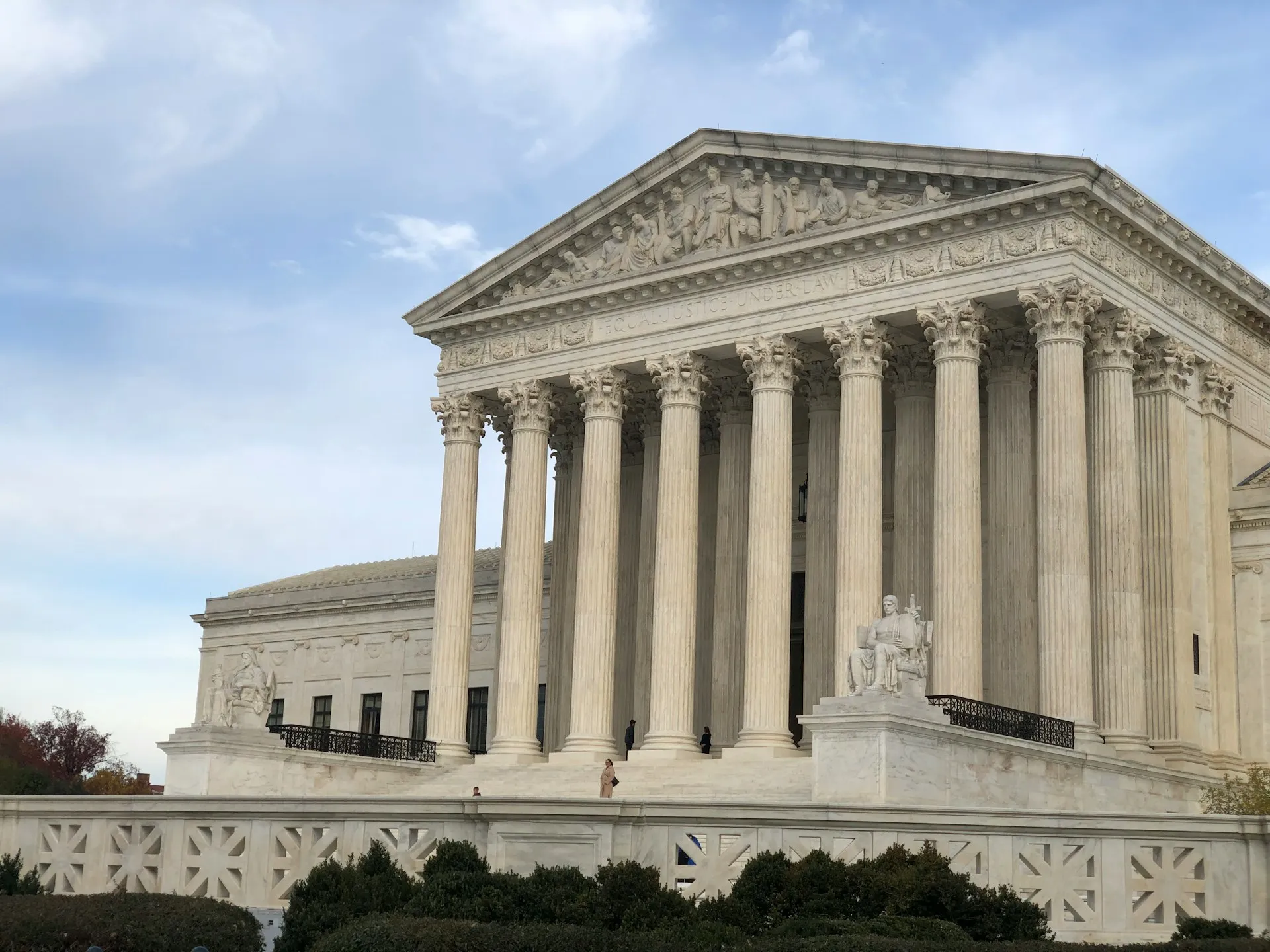
Inheritance Disputes
Trust and estate litigation for heirs and beneficiaries. Contested wills, fiduciary misconduct, and trustee accountings.
Resources from our firm
Understand your next step
Corcoran Smith Law publishes California Inheritance Law, a separate website with guides for California heirs, beneficiaries and personal representatives. These guides provide general information and are attorney advertising. They do not replace advice about your circumstances.
- Choosing a California probate attorney
Compare representation for an executor, administrator or beneficiary.
- Waiting for an inheritance
Understand the steps that may remain before distribution.
Talk to a California probate attorney
A free consultation is the simplest place to start. Tell us where the estate stands, and we will help you understand the next step.