
Wills
Will Drafting
Drafted to California Probate Code §6110. Serving the SF Bay Area, Sacramento, and statewide.
-
Veteran-Founded & Led
Founded by Mark C. Smith, U.S. Army combat veteran.
-
Berkeley Law-Trained
Educated at UC Berkeley School of Law.
-
California Statewide
SF · Sacramento · Los Angeles · San Diego.
A California Will Built Around the People Who Matter Most
A properly prepared California will gives clear instructions about who inherits your property, who manages your estate, and who will care for minor children if needed.
We draft wills that fit your family, assets, and broader estate plan, then supervise execution so the document is built to stand up when your family needs it.
What your will controls
- Who inherits
- Beneficiaries, backup beneficiaries, specific gifts, and charitable or non-family bequests.
- Who handles the estate
- Executor choices, successor executors, and practical authority for the person doing the work.
- Who cares for children
- Guardian nominations for minor children, with alternates if your first choice cannot serve.
- How disputes are reduced
- Clear language, proper execution, storage guidance, and no-contest provisions where appropriate.
What's included
What Your California Will Package Includes
We prepare these pieces together so your will is clear, properly executed, and useful to the people responsible for carrying it out.
- Core document
Last Will & Testament
- The signed and witnessed original, drafted to your family's structure and California Probate Code requirements.
- Minor children
Guardian Designation
- Primary and alternate guardians for minor children, with the reasoning documented to support the choice if challenged.
- Estate authority
Executor Appointment
- Primary executor and at least one successor, with backup language to avoid a court-appointed administrator.
- Distribution terms
Specific Bequests
- Named items or amounts to specific beneficiaries, drafted with adequate detail to survive a contest.
- Contest protection
No-Contest Clause
- Tailored in terrorem language calibrated for what California courts will actually enforce post-2010 reforms.
- Final package
Original + Conformed Copies
- Notarized witness affidavits, the original for safekeeping, and conformed copies for your executor and family records.
What we draft
Types of California wills we draft
The right document depends on whether you have a trust, whether you have minor children, and whether your family situation invites contest. Most clients need a simple will or a pour-over will paired with a living trust, and a clear set of beneficiary designations that match.
Wills almost always work alongside the rest of an estate plan: a durable power of attorney, beneficiary designations, and where appropriate, a living trust.
-
Simple Will
A direct distribution document for clients without a trust. Names beneficiaries, an executor, and (when relevant) a guardian for minor children. Best for smaller estates without significant California real estate.
-
Pour-Over Will
The companion document to a living trust. Anything left outside the trust at death pours into the trust through this will, ensuring nothing follows California intestacy rules by accident.
-
Reciprocal / Mirror Wills
A pair of nearly identical wills for spouses or partners, each leaving everything to the other and naming the same successor beneficiaries. Common for first marriages without complex blended-family dynamics.
-
Testamentary Trust Will
Creates a trust at death rather than during life, typically to manage assets for minor children, beneficiaries with disabilities, or heirs who would benefit from staggered distributions. Less efficient than a living trust but appropriate in narrow situations.
Who you'll work with
Meet Your California Will Attorneys
A will should be clear, enforceable, and built around the people who matter most. The attorneys on this team come from military command, law enforcement and investigation, and crisis counseling. Their backgrounds provide a level of preparation, composure, and strategic thinking that few firms can match.
-

Mark C. Smith
Principal Attorney & Founder
Mark leads the firm’s civil disputes practice with big-firm litigation training and courtroom-focused judgment, with 20+ years of military service standing behind every case.
-

Nicholas Jacobs
Attorney, Estate Planning
Nick combines investigative rigor, calm communication, and an unwavering client focus, built on 18+ years of public service before he picked up the law.
-
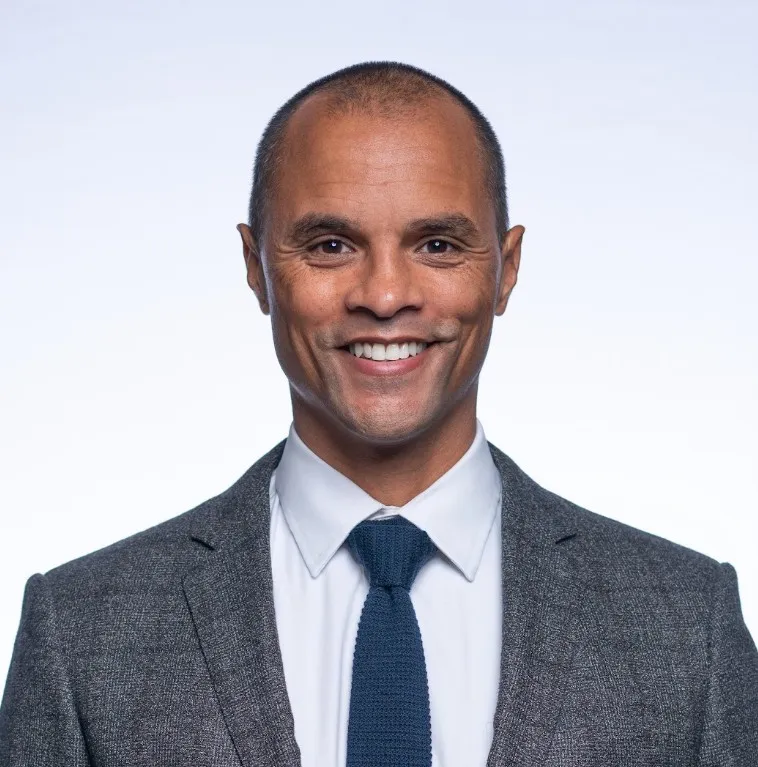
Seth Steward
Litigation Attorney
GW Law-trained, Harvard-educated, and trial-tested. More than 30 jury trials and deep courtroom experience to navigate the most complex legal disputes: estate, business, and wrongful death.

Without a will
What Happens Without a California Will
If someone passes without a will in California, state law decides who inherits, who manages the estate, and what happens next. These are the defaults if you do nothing. The right will can help avoid each of these outcomes.
- California chooses heirs
- Inheritance follows a statutory formula, even if your actual wishes were different.
- Non-family may be left out
- Unmarried partners, stepchildren, close friends, and charities generally do not inherit by default.
- The court appoints control
- A judge appoints an administrator instead of the executor you would have selected.
- Probate becomes public
- The estate moves through court, adds delay, and becomes part of the public record.
What a will does
What a California will gives your family
A will replaces California's default rules with your decisions. Who raises the kids. Who runs the estate. Who inherits, in what shares, on what terms. The document is short. The control it transfers is enormous.
- Guardian Designations
- Name a guardian for minor children, and an alternate. Without this, a California court chooses, and the family's preference is one factor among many.
- Distribution Control
- Decide who receives specific assets, in what proportions, and on what conditions, instead of letting California's default intestacy formula split things by statute.
- Executor Selection
- Pick the person who will administer your estate, file with the court, pay creditors, and distribute assets. Without a will, the court picks.
- Charitable & Non-Family Bequests
- Provide for stepchildren, partners, friends, and charities, none of whom inherit anything under California intestacy rules.
- Reduced Family Conflict
- A clear, witnessed, professionally drafted will is the single best protection against the kind of contests that turn into year-long lawsuits.
- No-Contest Clause Protection
- A properly drafted in terrorem clause discourages frivolous challenges by causing a contesting beneficiary to forfeit their share.

As life changes
Updating an Existing California Will
A will should change when your family, assets, or executor choices change. We review the existing document and help you decide whether a narrow codicil or a new will is the cleaner path.
- Family changes
- Marriage, divorce, a new child, a beneficiary passing, or a guardian or executor who can no longer serve.
- Asset changes
- A home purchase, business sale, new account, or specific gift that no longer exists.
- Outdated instructions
- Old names, unclear gifts, stacked amendments, or terms that no longer match your wishes.
Will update review
- Current will and codicils
- Executor and successor executor
- Guardian nominations
- Specific bequests
- Beneficiary designations
- Trust coordination
- Codicil
- A limited amendment when the rest of the will still works.
- New will
- A cleaner replacement when changes are broad or prior amendments have piled up.
An honest look
How DIY wills fail California families
We see the same patterns when families call after a parent passes. The will failed not because intent was absent, but because the document, the witnessing, or the storage left a door open for the court to reach a different result.
- No disinterested witnesses
- California requires two witnesses who are not beneficiaries, both present at signing. A will signed without the right people in the room is contestable—even when intent is obvious.
- Missing original document
- California law requires the original signed will, not a photocopy. A will that cannot be located is presumed revoked by the testator. The estate falls into intestacy.
- Vague or ambiguous gifts
- "My personal effects to my family" invites litigation. Courts enforce what is written, not what was intended. Ambiguous bequests become contested bequests.
- Outdated account beneficiaries
- Retirement accounts and life insurance with stale beneficiary designations override the will entirely. A will controls only probate assets—not named-beneficiary accounts.
- Single-name executor chain
- An executor who predeceases the testator, or who refuses to serve, sends the estate back to court for an administrator appointment. There is no fallback.
- Will not updated after life changes
- Marriage, divorce, a new child, or a business sale can make a will say the opposite of what you want. California courts enforce the document—not the intent behind it.
Frequently asked
Frequently asked questions about California wills
-
Do I need a will if I already have a living trust?
Yes. And most attorneys would call this non-negotiable. Even a fully funded living trust does not capture every asset by default. A new bank account, a final paycheck, a settlement check, a forgotten retirement rollover, or a piece of property you never retitled all sit outside the trust at death. A pour-over will catches anything left outside the trust and routes it back in. Without one, those assets follow California intestacy rules instead of your trust's distribution plan.
-
Is a handwritten (holographic) will legal in California?
Yes. California Probate Code §6111 recognizes holographic wills: those written entirely in the testator's own handwriting, signed, with the material provisions (who gets what) in handwriting. No witnesses are required. They are legal, but they are also one of the most contested document types in California probate court. Ambiguous language, missing dates, and questions about whether the testator had capacity at the time of writing are common grounds for challenge. We do not recommend them as a primary estate planning tool, though they can be used as a stopgap in true emergencies.
-
How many witnesses does a California will need?
A typed will in California must be signed by the testator in the presence of two adult witnesses, who must each understand they are witnessing a will and sign in the testator's presence (California Probate Code §6110). The witnesses do not need to read the will, and they should not be beneficiaries. A beneficiary who serves as a witness can lose part or all of their inheritance under California's "interested witness" rules. We arrange and supervise the signing in our office to make sure it is clean.
-
Can I disinherit my spouse or my children in California?
It is more nuanced than most people expect. A surviving spouse already owns half of all community property under California law, and you cannot will away their half. You can only direct your half. Disinheriting a spouse from your separate property is generally permissible if your will and pre/post-nuptial agreements are clear. Children, by contrast, can be disinherited entirely, but only if the will names them and explicitly states the intent. A child accidentally omitted from a will (a "pretermitted heir") is presumed to have been forgotten and may inherit a statutory share. We draft disinheritance language carefully to make sure your intent is what controls.
-
What happens if I die without a will in California?
If you die intestate (without a will), California Probate Code §6400 and following dictate who inherits and in what shares, regardless of what you would have wanted. Community property goes to the surviving spouse. Separate property is split among the surviving spouse and children on a formula that depends on how many children survived. If there is no spouse or children, the estate moves up to parents, then siblings, then more distant relatives. The court appoints an administrator (often a relative who petitions for the role), and the entire process happens in public probate. Almost no one's actual wishes match the default formula.
-
How often should I update my California will?
Review your will after every major life event: marriage, divorce, the birth or adoption of a child, the death of a beneficiary or executor, a significant change in assets, or a move into or out of California. Outside those events, a routine review every three to five years is enough to catch beneficiary designations that have drifted, executors who have aged out, or specific bequests that no longer fit. We handle simple updates with codicils and full restatements when the changes are substantial, and we will tell you which is appropriate.
Client reviews
What our clients say
-
I am very grateful to Corcoran Smith Law Corp for their outstanding support with my legal matter. From the very beginning, my lawyer took the time to truly listen to my concerns and explained everything clearly so I could understand the process. Nick was patient, compassionate, and always kept me updated, which gave me peace of mind during a very stressful time. His communication was excellent. I never felt left in the dark and always knew what was happening with my case. I felt like I had someone genuinely on my side who cared about the outcome. I highly recommend him and the entire team at Corcoran Smith Law Corp for anyone who needs legal guidance. They are professional, knowledgeable, and dedicated to their clients.
Rosheil Major August 2025 · Google
-
Cannot say enough about the incredible team at Corcoran Smith Law. When my family found ourselves in one of the most painful and complicated situations imaginable involving elder abuse, an inheritance dispute, and a serious breach of fiduciary duty. We didn't know where to turn. From the very first consultation, this firm made us feel heard, protected, and confident that we were in the right hands. The attorneys took the time to thoroughly explain every option available to us, the risks and benefits of each path, and ultimately helped us chart the best course of action for our specific circumstances. Their knowledge of elder law and fiduciary matters is truly exceptional, but what set them apart was their genuine compassion. They understood that this wasn't just a legal case, it was personal, it was emotional, and it involved protecting a vulnerable loved one. Throughout the entire process, communication was clear, timely, and reassuring. We never felt lost or left in the dark. They fought tirelessly on our behalf and achieved an outcome we are deeply grateful for. If you or your family are facing elder abuse or a complex estate and fiduciary dispute, do not hesitate, call Corcoran Smith Law. They are the advocates you need and the ones your family deserves.
Amanda Cichosz May 2026 · Google
-
In my experience with this firm I feel like they exceeded my expectations from start to finish. I shopped around a bit trying to find a reliable place that would take my case and not only did they do so, but I was really impressed with the level of respect they gave me. Their communication and attention to even the smallest details gave me a great deal of confidence that my situation was being handled with genuine care. I would gladly recommend this firm to anyone searching for a legal team that combines professionalism, strong communication, and a sincere commitment to their clients.
Kagen Jones August 2026 · Google
-
Nicholas Jacobs is excellent! He's exceedingly knowledgeable, which gives you instant confidence in his assessments and advice, and what put our family's mind at ease is knowing he's honest to his core. He's a rare combination; Nicholas is everything you could hope for in terms of an exceptionally educated, trusted advisor, and yet his empathy is always forefront. Nicholas has a strong moral compass and has chosen his profession for all the right reasons. He's truly been a life saver, and our family is so grateful to have met him!
Sierra Smart March 2026 · Google
-
Couldn’t be more confident in their work. Return calls/emails quick and put in the effort to make things clear. Feels like they truly care about their clients best interests, even when that means less billable hours for them. Highly recommend.
Matthew Smith June 2026 · Google
-
Thank you Nicholas Jacobs for your professionalism, attentiveness and commitment to helping us with some legal documentation. If you’re looking for a lawyer who’s articulate, knowledgeable and makes you feel comfortable, look no further! We’re so fortunate we had Nicholas help us navigate our needs every step of the way.
Nagam Jabbar October 2024 · Google
Estate planning services
Estate Planning Services From Corcoran Smith Law Corp.
-

Estate Planning
Wills, revocable and irrevocable trusts, and powers of attorney for California families.
-
Trust Drafting
Establishing, funding, amending, and restating revocable and irrevocable California living trusts.
-
Powers of Attorney & Health Directives
Financial powers of attorney and advance health care directives. Durable and springing options, with clear agent duties.
-
Probate Administration
Guiding executors and administrators through California estate administration: petitions, inventory, creditor claims, and distribution.
-
Trust Administration
Trustee duties, trust funding, beneficiary notifications, accountings, and distributions, handled end to end.
Ready to talk?
Draft a California will your family can rely on.
Book a free consultation. We'll talk through beneficiaries, executor choices, guardian nominations, and whether your will should stand alone or work with a living trust.
Book a free consultation