
Trust Drafting
California Trust Drafting Attorneys
Establishing, funding, amending, and restating revocable and irrevocable trusts. Serving the SF Bay Area, Sacramento, and statewide.
-
Veteran-Founded & Led
Founded by Mark C. Smith, U.S. Army combat veteran.
-
Berkeley Law-Trained
Educated at UC Berkeley School of Law.
-
California Statewide
SF · Sacramento · Los Angeles · San Diego.
A California living trust designed to avoid probate and protect what you've built
We prepare California living trusts tailored to your family, assets, and long-term goals, then help ensure property and accounts are properly coordinated with the trust so your plan works the way it should.
How a living trust can protect your family and assets
- Probate Avoidance
- Your family may be able to avoid the delay, expense, and public process of California probate court.
- Privacy
- Unlike a will, a trust generally remains private. Your assets, beneficiaries, and distribution instructions do not become part of the public court record.
- Property Tax Planning Under Prop 19
- Careful trust planning can help families preserve favorable California property tax treatment across generations, even after the 2021 Prop 19 changes.
- Incapacity Planning
- If you become unable to manage your affairs, a successor trustee can step in immediately without the need for a conservatorship proceeding.
- Blended Family Planning
- A trust can provide for a surviving spouse while preserving assets for children from a prior marriage or relationship.
- Asset Protection Planning
- Certain irrevocable trust structures can help protect inherited assets from future creditors, lawsuits, or divorce proceedings.
If you do nothing
The default path runs through probate court
Each of these is avoidable with a properly funded living trust.
- CA statutory probate fee
- $23,000+
- Probate timeline
- 12–18 months
- Prop 19 reassessment risk
- 3–5×
Combined statutory attorney and executor fees on a California estate valued at approximately $1 million. Probate fees are based on the gross value of assets, not the remaining mortgage balance.
California probate often takes a year or longer to complete. Assets held in a properly structured living trust can usually be managed and distributed with far less court involvement.
Inherited California property can lose favorable Prop 13 tax treatment under Prop 19, resulting in a substantial increase in annual property taxes for the next generation.
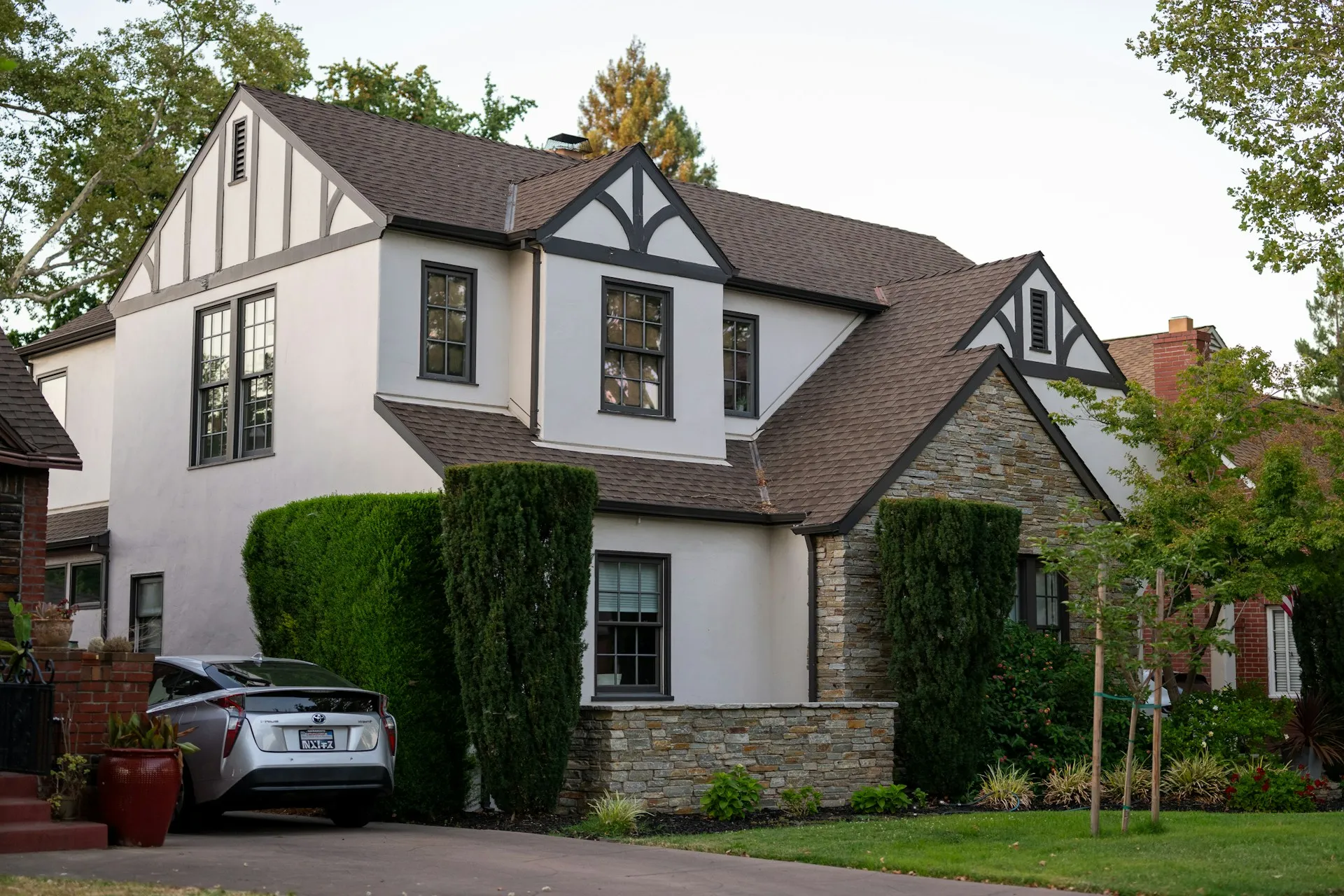
Property tax planning
Prop 19 changed the math on inherited California real estate
Before Prop 19, many California families could pass real estate to children without a major property tax reassessment. That changed in 2021.
Today, inherited property often loses its favorable Prop 13 tax basis unless specific requirements are met, including rules tied to the child's primary residence. When reassessment occurs, property taxes can increase dramatically.
For families holding California real estate purchased decades ago, the difference can be substantial. A home with a low historical tax basis may be reassessed closer to current market value after transfer to the next generation.
We help clients structure trusts and long-term estate plans with those rules in mind, including strategies designed to preserve family property and reduce unnecessary tax exposure where possible.
What we draft
Types of California trusts we draft
Most California families need a revocable living trust and nothing more exotic. But for blended families, special-needs beneficiaries, professionals with liability exposure, or estates large enough to face federal estate tax, the right structure looks different. We pick the tool that fits the job, and tell you plainly when a simpler instrument will do.
Trusts almost always work in concert with the rest of an estate plan: a pour-over will, a durable power of attorney, and beneficiary designations on retirement accounts and life insurance.
-
Revocable Living Trust
The standard probate-avoidance and incapacity-planning tool. You stay in control while alive, and assets transfer directly to beneficiaries at death: no court, no public record, no statutory fees.
-
Irrevocable Trust
Removes assets from your taxable estate and shields them from creditors. Used for advanced tax planning, Medi-Cal eligibility, and long-term asset protection when the loss of control is a worthwhile trade.
-
Special Needs Trust
Funds a beneficiary with a disability without disqualifying them from SSI, Medi-Cal, or other means-tested benefits. Designed to supplement, not replace, public assistance.
-
A-B and QTIP Trusts
Two-part marital trusts for blended families and high-value estates. Provide for a surviving spouse during their lifetime while preserving the principal for children from a prior marriage.
-
Charitable Remainder Trust
Income for you (or your beneficiaries) during life, with the remainder passing to a chosen charity. Often paired with appreciated real estate or stock for income tax and capital gains benefits.
-
Asset Protection Trust
California-domiciled professionals, physicians, contractors, founders, use these to insulate personal assets from professional liability. Structure matters; we will tell you what California courts will and will not honor.
Who you'll work with
Meet Your California Trust Drafting Attorneys
Trust drafting requires careful judgment about assets, successor trustees, and family dynamics. The attorneys on this team come from military command, law enforcement and investigation, and crisis counseling. Their backgrounds provide a level of preparation, composure, and strategic thinking that few firms can match.
-

Mark C. Smith
Principal Attorney & Founder
Mark leads the firm’s civil disputes practice with big-firm litigation training and courtroom-focused judgment, with 20+ years of military service standing behind every case.
-

Nicholas Jacobs
Attorney, Estate Planning
Nick combines investigative rigor, calm communication, and an unwavering client focus, built on 18+ years of public service before he picked up the law.
-

Seth Steward
Litigation Attorney
GW Law-trained, Harvard-educated, and trial-tested. More than 30 jury trials and deep courtroom experience to navigate the most complex legal disputes: estate, business, and wrongful death.
An honest look
How DIY trusts fail California families
We see the same patterns when families call after a parent passes. The trust failed not because trusts don't work, but because the document was never made to fit the state, the family, or the assets.
- Trust drafted, never funded
- A trust with no assets in it does nothing. The estate still goes through probate, and the family pays for the document twice.
- Out-of-state template
- National forms miss California probate fees, community property rules, and Prop 19. The online savings disappear at the first probate filing.
- Wrong successor trustee
- Naming a relative who lacks the time, financial skill, or family standing to administer a trust is one of the most common paths to trust litigation.
- Documents not updated after 2021
- Trusts predating Prop 19 often no longer reflect current property tax rules. Trusts written before a divorce, death, or new child no longer reflect the family.
- Stale beneficiary designations
- A retirement account or life insurance policy with an outdated beneficiary overrides the trust entirely. The trust controls only trust assets.
- Real estate never transferred
- The deed still names you personally, not as trustee. Property held outside the trust passes through probate—defeating the primary reason most clients draft a trust.
What's included
What you receive with every Corcoran Smith Law trust
We prepare these pieces together so your trust is properly drafted, funded, and useful to the people who will rely on it.
- Core document
Trust Agreement
- The governing document, drafted to your family's specific structure, assets, and California law.
- Bank & title use
Certification of Trust
- A short, shareable summary banks and title companies accept without seeing the full trust terms.
- Asset tracking
Schedule of Assets
- An inventory of what's held in the trust, updated as your holdings change.
- Safety net
Pour-Over Will
- Catches anything left outside the trust at death and routes it back in — preventing unintended probate.
- Real estate transfer
Recorded Grant Deed
- We prepare and record the deed transferring your primary California residence into the trust.
- Account retitling
Funding Letter & Instructions
- Step-by-step guidance for retitling bank, brokerage, and retirement accounts to the trust.
As life changes
Amending or restating your California trust
Estate plans should change as life changes. Marriage, divorce, children, significant changes in assets, a move into or out of California, or changes in family dynamics are all good reasons to revisit a trust.
We help clients update existing trusts through amendments, full restatements, and trustee changes, including trusts originally prepared by other firms. If your trust predates Prop 19, it may no longer reflect the current property tax rules affecting inherited California real estate.

Frequently asked
Frequently asked questions about California living trusts
-
Do I need a living trust if I already have a will?
A will alone does not avoid California probate. Even a well-drafted will sends your estate to probate court when you pass away, where it will sit for 12 to 18 months and pay statutory fees that scale with your estate's value. A revocable living trust transfers your assets directly to your beneficiaries without court involvement. Most California families with a home, retirement accounts, or minor children benefit from holding both: a trust to control what happens to titled assets, and a pour-over will as a backstop for anything left outside the trust.
-
What is the difference between a revocable and an irrevocable trust?
A revocable living trust can be amended, restated, or revoked at any time during your lifetime. You remain the trustee, you control the assets, and you can change beneficiaries. It is the standard tool for probate avoidance and incapacity planning. An irrevocable trust generally cannot be undone once funded. You give up control in exchange for benefits a revocable trust cannot offer: removing assets from your taxable estate, shielding them from creditors, qualifying for Medi-Cal long-term care, or funding a beneficiary with special needs without disqualifying them from public benefits. We will tell you which fits your situation. And we will not recommend an irrevocable trust unless the benefit clearly justifies the trade-off.
-
How does Proposition 19 affect my California trust?
Proposition 19, effective February 2021, narrowed the parent-child property tax exclusion. A child who inherits a California home held in a trust now keeps the parent's low Prop 13 assessed value only if the home becomes the child's primary residence within one year, and even then only up to a $1 million value cushion above the original assessment. For families holding rental property, vacation homes, or homes likely to be sold by heirs, Prop 19 can mean a multi-fold property tax increase on inherited California real estate. We design trusts with Prop 19 in mind, including LLC ownership structures, lifetime gifting strategies, and irrevocable trust techniques, to preserve as much of the assessed value as your situation allows.
-
How is a trust actually funded in California?
Funding is the step most DIY trusts get wrong. A trust controls only the assets that have been retitled into its name. For a California home, that means recording a new grant deed transferring the property from you as an individual to you as trustee. For bank and brokerage accounts, it means changing the account titling. For retirement accounts and life insurance, it means updating beneficiary designations. We handle this paperwork as part of every trust engagement, including drafting and recording the deed for your primary California residence, so you do not end the process with an unfunded trust that still sends your estate to probate.
-
Who should I name as trustee of my California trust?
Most clients serve as their own trustee while alive, keeping full control of their assets, and name a successor trustee to step in at incapacity or death. The right successor depends on your family. An adult child often makes sense if they are financially responsible and not in conflict with other beneficiaries. A professional fiduciary or trust company is the better call when family dynamics are difficult, when beneficiaries include minors or someone with special needs, or when trust assets include a closely-held business. We discuss the trade-offs in your consultation and help you choose someone who will actually do the job, not just hold the title.
-
How much does a California living trust cost at Corcoran Smith Law?
Trust pricing scales with complexity: number of beneficiaries, real estate holdings, business assets, and whether you need specialized provisions for blended families, special needs, or asset protection. Our basic California living trust package is far less than the typical statutory probate fee on a single home in Northern California, which routinely exceeds $20,000 in court costs alone. Call (415) 275-1492 for a free consultation and a clear, written estimate before you commit to anything.
Client reviews
What our clients say
-
Honestly, I didn't know much about trusts going into this. The whole thing felt overwhelming and a little intimidating. But Corcoran Smith Law made the entire process so much easier than I expected. They sat down with me, actually listened to what I was trying to accomplish, and walked me through everything in plain English. No confusing legal jargon, no rushing me out the door. By the end I finally felt like I understood what a trust could do for me and my family, and I left with a solid plan in place. What really blew me away? They handled everything right from the comfort of my own home. I never had to drive to an office, find parking, or sit in a waiting room. They even arranged for a notary to come out to the house, making the entire process seamless from start to finish. It honestly could not have been more convenient. The whole team was friendly, down to earth, and genuinely seemed to care about getting it right. They were easy to reach whenever I had questions, and nothing ever felt like too much to ask. If you've been putting off setting up a trust because it seems like a hassle, don't wait. Call this team! They handle everything, and the peace of mind on the other side is 100% worth it. Highly, highly recommend!
Lori Griffin May 2026 · Google
-
I am very grateful to Corcoran Smith Law Corp for their outstanding support with my legal matter. From the very beginning, my lawyer took the time to truly listen to my concerns and explained everything clearly so I could understand the process. Nick was patient, compassionate, and always kept me updated, which gave me peace of mind during a very stressful time. His communication was excellent. I never felt left in the dark and always knew what was happening with my case. I felt like I had someone genuinely on my side who cared about the outcome. I highly recommend him and the entire team at Corcoran Smith Law Corp for anyone who needs legal guidance. They are professional, knowledgeable, and dedicated to their clients.
Rosheil Major August 2025 · Google
-
I recommend this law firm for anyone who is looking for a dedicated legal representation. Everyone I interacted with was respectful and professional. From my first interaction I felt like my concerns were taken seriously and genuinely addressed. If you are searching for someone to advocate and work hard on your behalf I would absolutely suggest this firm! I’m extremely grateful for the help and support I received and would give them five stars without hesitation.
destinee Loyola August 2026 · Google
-
Nick and Mark were amazing to work with! Nick is such a nice man, and he was extremely knowledgeable and professional. He was passionate about his work, honest and very kind and supportive during my journey in contesting a trust. He communicated his strategies every step of the way and the documents he wrote were a testament to his commitment in helping me. Every T was crossed and every I was dotted. We had a good outcome, but even if we hadn’t, I would have been 100% satisfied with the effort he put into our case. I highly recommend this firm based on their professionalism, knowledge, commitment, honesty, and communication.
Kimberly Brink August 2025 · Google
-
Working with this firm during a stressful inheritance dispute was an absolute relief from start to finish. Their legal team demonstrated exceptional expertise, kept me informed at every turn, and achieved a fair outcome that protected my family's interests. I highly recommend their compassionate, highly professional services to anyone navigating a complex estate issue.
Angela Moore August 2026 · Google
-
As a fellow attorney, I’ve referred clients and friends to Corcoran on multiple occasions. Each time, I gather that the law firm was professional, courteous, responsive, and affordable. I will always recommend Corcoran for people needing sound legal counsel.
Matthew Rowan June 2026 · Google
Across our practice
Related California legal services
-

Trust Administration
Trustee duties, trust funding, beneficiary notifications, accountings, and distributions, handled end to end.
-

Will Drafting
Drafting and updating California wills, including pour-over wills that work alongside a living trust.
-
Probate Administration
Guiding executors and administrators through California estate administration: petitions, inventory, creditor claims, and distribution.
-

Inheritance Disputes
Trust and estate litigation for heirs and beneficiaries. Contested wills, fiduciary misconduct, and trustee accountings.
Ready to talk?
A clear plan for your next step.
Book a free consultation. We'll walk through your situation and lay out the strongest path forward, whether that is estate planning, resolving a dispute, or a flat-fee Initial Case Assessment.
Book a free consultation