
Estate planning
California Estate Planning Attorneys. Wills, Trusts & Probate
Wills, Trusts & Probate. Serving the SF Bay Area, Sacramento, and statewide.
-
Veteran-Founded & Led
Founded by Mark C. Smith, U.S. Army combat veteran.
-
Berkeley Law-Trained
Educated at UC Berkeley School of Law.
-
California Statewide
SF · Sacramento · Los Angeles · San Diego.
A California Estate Plan Built Around Your Family and Assets
We specialize in creating comprehensive estate plans that address the complexities of your life: protecting your beneficiaries, managing real estate holdings, and safeguarding business assets.
We tailor each plan to your family structure, assets, and long-term goals, then build in flexibility as life changes. Our goal is to give you peace of mind knowing your wishes will be honored.
What we account for
- Family structure
- Children, blended families, dependents, guardianship wishes, and beneficiary decisions.
- Real estate holdings
- Homes, rental properties, out-of-state property, and trust funding needs.
- Business interests
- Succession planning, management authority, and continuity for closely held businesses.
- Incapacity decisions
- Powers of attorney, health care directives, and trusted decision-makers.
Included in your plan
The Six Legal Documents in Your California Estate Plan
Every estate plan we prepare includes these six core legal documents. Each one has a specific role, and together they help your family avoid confusion, court delays, and uncertainty.
- Trust instrument
Living Trust
- Manages your assets during life and helps your family avoid California probate.
- Testamentary document
Pour-Over Will
- Catches assets left outside the trust and directs them into your estate plan.
- Financial authority
Durable Power of Attorney
- Names who can handle financial and legal decisions if you cannot.
- Medical authority
Advance Health Care Directive
- Documents your medical wishes and names your health care decision-maker.
- Trust funding document
Property Assignment
- Transfers eligible property into your trust so the plan actually works.
- Tailored provisions
Custom Legal Documentation
- Adds provisions tailored to your family, assets, and long-term goals.
Why it matters
Why Create a California Estate Plan?
A well-built estate plan gives your family direction before a crisis. It clarifies who has authority, how assets should move, and how private family decisions should be handled.
- Family & Dependent Care
- Safeguards your family from stress and uncertainty after your death or incapacity, and provides for minors, pets, and other dependents.
- Asset Control & Protection
- Ensures your assets are distributed according to your wishes, not default state or court rules, and shields them from creditors or legal disputes.
- Probate Avoidance
- Reduces the expenses and delays associated with California probate.
- Tax Benefits
- Can result in tax savings, preserving more of your estate for beneficiaries.
- Privacy
- Keeps the details of your estate private.
- Incapacity & End-of-Life Decisions
- Names someone to manage your affairs if you become incapacitated, and specifies your wishes for medical care and funeral arrangements.

Without a plan
What Happens Without a California Estate Plan
If you pass without a properly funded estate plan, your family may be left with California's default probate process: court delays, statutory fees, and public filings. The right plan can help avoid each of these outcomes.
- Typical CA probate
- 12–18 months
- Cost to your family
- $50,000+
- Who can read your filing
- Anyone.
A trust transfers your assets directly. No probate required.
California statutory probate fees come out of the estate before your family inherits a dollar.
Asset values, beneficiary names, and addresses become public. Scammers and identity thieves harvest probate filings to target grieving heirs.
Who you'll work with
Meet Your California Estate Planning Attorneys
Your estate plan is handled by attorneys who bring courtroom judgment and calm, family-sensitive counsel. Mark C. Smith is a Berkeley Law graduate, former federal judicial clerk, and U.S. Army combat veteran; Nicholas Jacobs brings 18+ years in law enforcement and crisis counseling.
-

Mark C. Smith
Principal Attorney & Founder
Mark leads the firm’s civil disputes practice with big-firm litigation training and courtroom-focused judgment, with 20+ years of military service standing behind every case.
-

Nicholas Jacobs
Attorney, Estate Planning
Nick combines investigative rigor, calm communication, and an unwavering client focus, built on 18+ years of public service before he picked up the law.
-
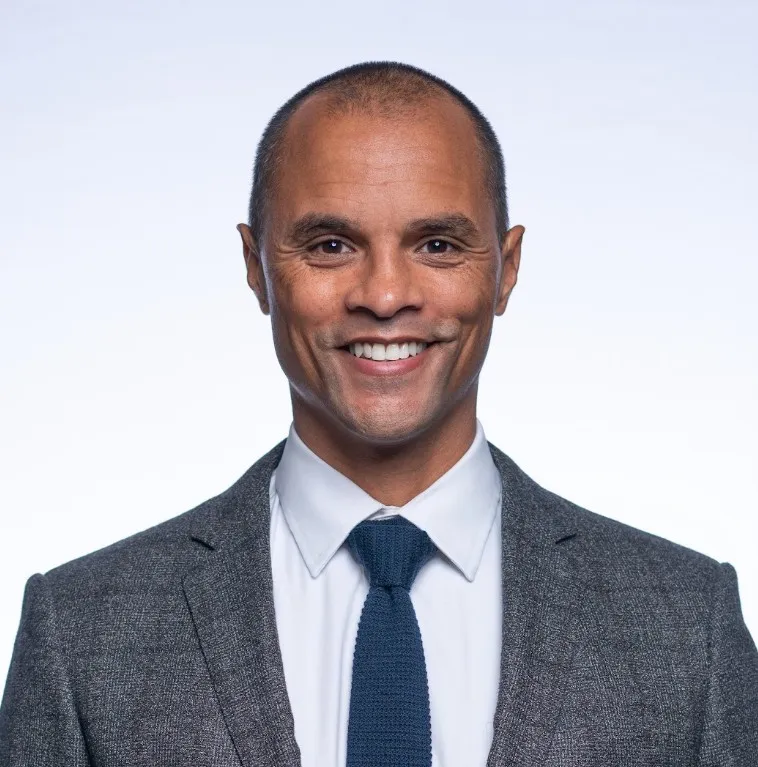
Seth Steward
Litigation Attorney
GW Law-trained, Harvard-educated, and trial-tested. More than 30 jury trials and deep courtroom experience to navigate the most complex legal disputes: estate, business, and wrongful death.
As life changes
Amending or Restating an Existing California Trust
A trust should not sit untouched while your family, assets, and California law change around it. We review existing revocable living trusts, including trusts prepared by other firms, and help you decide whether an amendment or full restatement is the cleaner path.
- Family changes
- Marriage, divorce, a new child, a family member passing, or a trustee change.
- Asset changes
- A new home, rental property, business interest, or unfunded asset.
- Outdated documents
- Old trustee names, layered amendments, or terms that no longer match your wishes.
Trust update review
- Trust and amendments
- Successor trustees
- Beneficiary terms
- Real estate funding
- POA and health directives
- Prop 19 issues
- Trust amendment
- Limited changes to specific terms while leaving the rest of the trust intact.
- Trust restatement
- A cleaner rewrite when changes are broad or amendments have stacked up.
Client reviews
What our clients say
-
Nicholas Jacobs is excellent! He's exceedingly knowledgeable, which gives you instant confidence in his assessments and advice, and what put our family's mind at ease is knowing he's honest to his core. He's a rare combination; Nicholas is everything you could hope for in terms of an exceptionally educated, trusted advisor, and yet his empathy is always forefront. Nicholas has a strong moral compass and has chosen his profession for all the right reasons. He's truly been a life saver, and our family is so grateful to have met him!
Sierra Smart March 2026 · Google
-
Nicholas Jacobs is an excellent attorney and an extraordinary human being. He has shown compassion, patience and kindness during a very difficult time. I greatly appreciate Nick's knowledge and expertise. His listening skills, intuition, patience, and clear explanations have been invaluable. I dreaded having to find an attorney to help me navigate this very difficult time, and I am so grateful to have found Cocoran Smith Law Corporation and Nicolas Jacobs. He has truly been more than I hoped for or expected.
Sherri Bilbro May 2026 · Google
-
Corcoran smith law corp is very helpful and professional. I needed To find a probate lawyer, after contacting a few different options they were the best choice. Everyone I spoke to was very professional, kind, and really took the time to listen to what I needed, as well as direct me to the best person for the job. They were very helpful in dealing with my case and prompt with getting back to me. I would Recommend this company to anyone who needs to hire a probate lawyer as I truly feel they care about people and understand the process.
Jean Copus May 2026 · Google
-
Corcoran Smith Law was extremely helpful in assisting me through my Father's trust while I was not only grieving my father, but having a difficult time trying to figure out how to navigate the process. I had met with a couple of other attorneys before we connected and had been left confused and frustrated. Nick made extra efforts to ensure that I understood what the options were and made great recommendations. Their pricing was very fair and didn't leave me feeling like I was being nickel and dimed through the process. This definitely helped me feel comfortable asking extra questions instead of guessing while navigating a completely foreign process. Thank you!
Jerald Scott November 2024 · Google
-
Attorney Nicholas Jacobs has been amazing to us during this difficult battle involving my father’s home. He has been compassionate, attentive, and consistently took the time to explain everything clearly. During an emotionally exhausting situation, he made us feel supported, heard, and confident that our case truly mattered. We are deeply grateful for his professionalism and dedication. Thank you
Wendy Bracy January 2026 · Google
-
Cannot say enough about the incredible team at Corcoran Smith Law. When my family found ourselves in one of the most painful and complicated situations imaginable involving elder abuse, an inheritance dispute, and a serious breach of fiduciary duty. We didn't know where to turn. From the very first consultation, this firm made us feel heard, protected, and confident that we were in the right hands. The attorneys took the time to thoroughly explain every option available to us, the risks and benefits of each path, and ultimately helped us chart the best course of action for our specific circumstances. Their knowledge of elder law and fiduciary matters is truly exceptional, but what set them apart was their genuine compassion. They understood that this wasn't just a legal case, it was personal, it was emotional, and it involved protecting a vulnerable loved one. Throughout the entire process, communication was clear, timely, and reassuring. We never felt lost or left in the dark. They fought tirelessly on our behalf and achieved an outcome we are deeply grateful for. If you or your family are facing elder abuse or a complex estate and fiduciary dispute, do not hesitate, call Corcoran Smith Law. They are the advocates you need and the ones your family deserves.
Amanda Cichosz May 2026 · Google
Estate planning services
Estate Planning Services From Corcoran Smith Law Corp.
-

Trust Drafting
Establishing, funding, amending, and restating revocable and irrevocable California living trusts.
-

Will Drafting
Drafting and updating California wills, including pour-over wills that work alongside a living trust.
-
Powers of Attorney & Health Directives
Financial powers of attorney and advance health care directives. Durable and springing options, with clear agent duties.
-

Trust Administration
Trustee duties, trust funding, beneficiary notifications, accountings, and distributions, handled end to end.
-

Probate Administration
Guiding executors and administrators through California estate administration: petitions, inventory, creditor claims, and distribution.

Free roadmap
Download Your California Estate Planning Roadmap
Estate planning is easier when you can see the pieces before the first conversation. Our free roadmap explains the core documents in a California estate plan, what each one does, and how they work together to protect your family, assets, and wishes.
Use it to prepare questions, identify gaps in an existing plan, or decide what you want to accomplish before meeting with an attorney.
Frequently asked
Frequently Asked Questions About California Estate Planning
-
Do I need a living trust in California?
While not legally required, a revocable living trust is one of the most effective tools for California families. Without a trust, your estate may go through California's probate process, which can take 12 to 18 months and cost thousands in court fees. A living trust allows your assets to transfer directly to your beneficiaries, avoiding probate entirely. At Corcoran Smith Law, we design trusts tailored to your family's unique circumstances, real estate holdings, and long-term goals.
-
What is the difference between a will and a trust in California?
A will is a legal document that directs how your assets are distributed after you pass away, but it must go through probate. A trust, on the other hand, holds your assets during your lifetime and transfers them upon your passing without probate. In California, where real estate values are often high, trusts can save families significant time and money. Many of our clients use both documents together for comprehensive protection.
-
How much does estate planning cost in California?
The cost of estate planning depends on the complexity of your estate. A basic will or trust package may be more affordable than you expect, especially when you consider the potential cost of probate, which in California can exceed tens of thousands of dollars. Corcoran Smith Law offers flexible fee arrangements and transparent pricing. Call (415) 275-1492 for a free consultation to discuss your needs and receive a clear estimate.
-
When should I update my estate plan?
You should review and update your estate plan after any major life event, including marriage, divorce, the birth of a child, a significant change in assets, or the death of a beneficiary or trustee. California law may also change in ways that affect your plan. We recommend reviewing your estate plan at least every three to five years to ensure it still reflects your wishes and complies with current law.
-
What happens if I die without an estate plan in California?
If you pass away without a will or trust in California, your assets will be distributed according to California's intestacy laws. This means a court will decide who receives your property, which may not align with your wishes. The probate process for intestate estates is often lengthy and expensive. Creating an estate plan ensures your loved ones are protected and your legacy is preserved.
-
Can Corcoran Smith Law help with estate planning for blended families?
Yes. Blended families face unique estate planning challenges, including ensuring that both biological and stepchildren are provided for, protecting a surviving spouse's interests, and preventing disputes between family members. We work closely with blended families across California to create customized estate plans that address these complexities using trusts, beneficiary designations, and other legal tools.
-
What does an estate plan ask of me?
Creating an estate plan takes an investment of time and professional fees, and the process involves legal formalities that require careful attention. It can also feel emotionally weighty: thinking through what happens after you're gone, and having honest conversations with family about your wishes, takes real courage. That said, the people who benefit most from a solid estate plan are the people you love most. Done right, it's one of the most thoughtful things you can leave them.
When an estate is contested
Trust, estate & inheritance disputes
-
Inheritance Disputes
Trust and estate litigation for heirs and beneficiaries. Contested wills, fiduciary misconduct, and trustee accountings.
-

Trust & Estate Litigation
Trust contests, trustee removal, breach of fiduciary duty, surcharge, and trust reformation.
-

Contested Probate
Will contests on grounds of capacity, undue influence, fraud, or improper execution.
-

Civil Litigation
Trust and estate litigation, commercial and contract disputes, business torts, and real-property litigation.
Ready to talk?
Build an estate plan your family can rely on.
Book a free consultation. We’ll talk through your family, assets, and goals, then explain the estate planning documents that can protect your wishes under California law.
Book a free consultation